
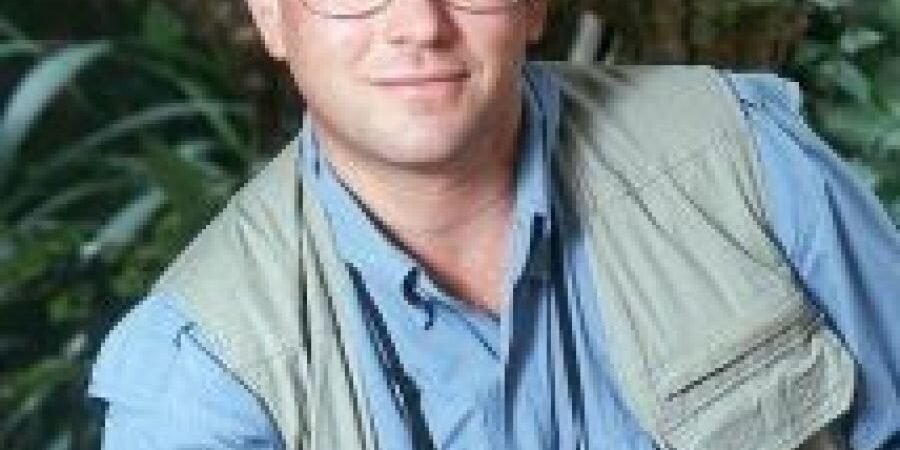
St. Paul carried the Gospel across the Roman world, and many of the cities he wrote to can still be visited, including Corinth, Ephesus, Philippi, Thessalonica and Athens. Knowing these places helps his letters make sense: a city official named in Romans, a judgment seat in Corinth, and arguments about meat offered to idols. Catholic author and pilgrimage leader Steve Ray explains what you can still see there.
Key takeaways
- Paul wrote that God sent his Son “when the fullness of time had come” (Galatians 4:4). Steve Ray points to the Greek language and Roman roads as part of what made the Gospel’s spread possible.
- Acts says Paul stayed in Corinth “a year and a half” (Acts 18:11) and taught in Ephesus for two years (Acts 19:10).
- A paving stone in Corinth names Erastus, and Romans 16:23 sends greetings from “Erastus, the city treasurer.”
- Tradition holds that Mary lived near Ephesus with St. John. The Council of Ephesus in 431 proclaimed that Mary “truly became the Mother of God” (CCC 466).
- Paul’s teaching on meat sacrificed to idols (1 Corinthians 8 and 10) makes more sense once you know how pagan temples worked.
Why could St. Paul travel so far?
The Gospels mostly stay within a small region. Paul’s journeys, recorded in Acts and reflected in his letters, cover much of the eastern Mediterranean.
Paul himself gives the theological reason for the timing: “when the fullness of time had come, God sent his Son, born of a woman, born under the law” (Galatians 4:4).
Steve Ray, who leads pilgrimages through his Footprints of God ministry, explained on Iowa Catholic Radio’s Catholic Morning Show why the timing also mattered on the ground. Alexander the Great had spread the Greek language across the region. Rome then built a vast network of roads; Ray put it at some 250,000 miles. Paul, a Roman citizen as well as a Jew, could travel throughout the empire and use the shipping lanes, which Ray compared to the airlines of today. On a recent trip, his group walked a surviving stretch of the Via Egnatia, the Roman road Paul took to Philippi.
Travel was no luxury cruise. Paul would have rented a small patch of open deck. In his own list of hardships, he writes, “three times I was shipwrecked, I passed a night and a day on the deep” (2 Corinthians 11:25). Ray’s word for him: “he was indefatigable.”
What happened in Corinth?
Corinth was one of Paul’s longest stops. Acts says “he settled there for a year and a half and taught the word of God among them” (Acts 18:11). When local opponents brought Paul to court, it was before Gallio, “proconsul of Achaia,” at “the tribunal” (Acts 18:12).
That tribunal, the bema or judgment seat, still stands at the center of ancient Corinth, where the Lechaion Road came up from the port. Ray described it as the city’s news hub, where travelers arriving by ship brought word from Rome, Ephesus and elsewhere.
The Erastus inscription
One of the most striking finds sits a little off the main tourist path. A paving stone in Corinth credits a city official named Erastus with building the road at his own expense.
Now open Paul’s Letter to the Romans, which he wrote from Corinth. Near the end, he passes along greetings: “Erastus, the city treasurer, and our brother Quartus greet you” (Romans 16:23).
“You see Scripture and rocks,” Ray said, describing what it’s like to stand at the stone and read the verse.
Meat sacrificed to idols
Paul’s first letter to the Corinthians spends a long time on a question that can puzzle modern readers: “Now in regard to meat sacrificed to idols” (1 Corinthians 8:1). Later he warns, “what they sacrifice, [they sacrifice] to demons, not to God” (1 Corinthians 10:20).
Ray explained the background. Worshipers brought animals to pagan temples to be sacrificed, and the meat was then sold in the market. A family shopping for dinner couldn’t tell what had been offered to an idol. Standing near Corinth’s Temple of Apollo, he said, the question suddenly feels real.
Why is Ephesus important to Catholics?
Paul spent about two years in Ephesus. Acts says his teaching there “continued for two years with the result that all the inhabitants of the province of Asia heard the word of the Lord” (Acts 19:10). The city’s great Temple of Artemis, one of the Seven Wonders of the ancient world, dominated the city, and Acts 19 describes a riot by silversmiths who made shrines of Artemis.
Ephesus also matters for Marian devotion. As Ray pointed out, Jesus entrusted his mother to St. John at the cross, and tradition holds that Mary later lived near Ephesus with St. John. Pilgrims still celebrate Mass at Mary’s House outside the city, which Ray noted has been visited by the last four popes.
In 431, the Council of Ephesus met in the city. According to the Catechism, “the Council of Ephesus proclaimed in 431 that Mary truly became the Mother of God by the human conception of the Son of God in her womb” (CCC 466). The Greek title for this is Theotokos, Mother of God.
Does visiting biblical sites help you read the Bible?
Seeing these places doesn’t add anything to Scripture, but it can change how you read it. Ray put it this way: when you read Ephesians, Thessalonians or Corinthians after visiting those cities, what is black and white on the page “becomes Technicolor widescreen because you’ve walked in those places.”
He offered a simple comparison. You can read a lot about an elephant, but walking around a corner and bumping into one is a different experience. “Now I really know the elephant,” he said.
If you can’t travel, you can still read Paul with a map open, starting with Acts 16–20 alongside 1 Corinthians and Ephesians. To go further, Ray’s CatholicConvert.com lists his pilgrimages and resources, including trips that follow Paul’s route.
Hear the whole conversation. Steve Ray talks with Bo Bonner about Roman roads and shipwrecks, Mary’s House in Ephesus and three places where Scripture meets stone: listen on The Catholic Morning Show.
Start your weekday with The Catholic Morning Show, live 7–8 a.m. Central on Iowa Catholic Radio.
Listen live · Get the app for iPhone · Get the app for Android
Steve Ray is a Catholic author and pilgrimage leader at CatholicConvert.com and host of Footprints of God pilgrimages, which he leads with his wife, Janet. He joins The Catholic Morning Show monthly.
Bo Bonner hosts The Catholic Morning Show on Iowa Catholic Radio.
This article was written with AI assistance from an episode of The Catholic Morning Show, with names and facts checked against the episode’s show notes and the sources linked above.